
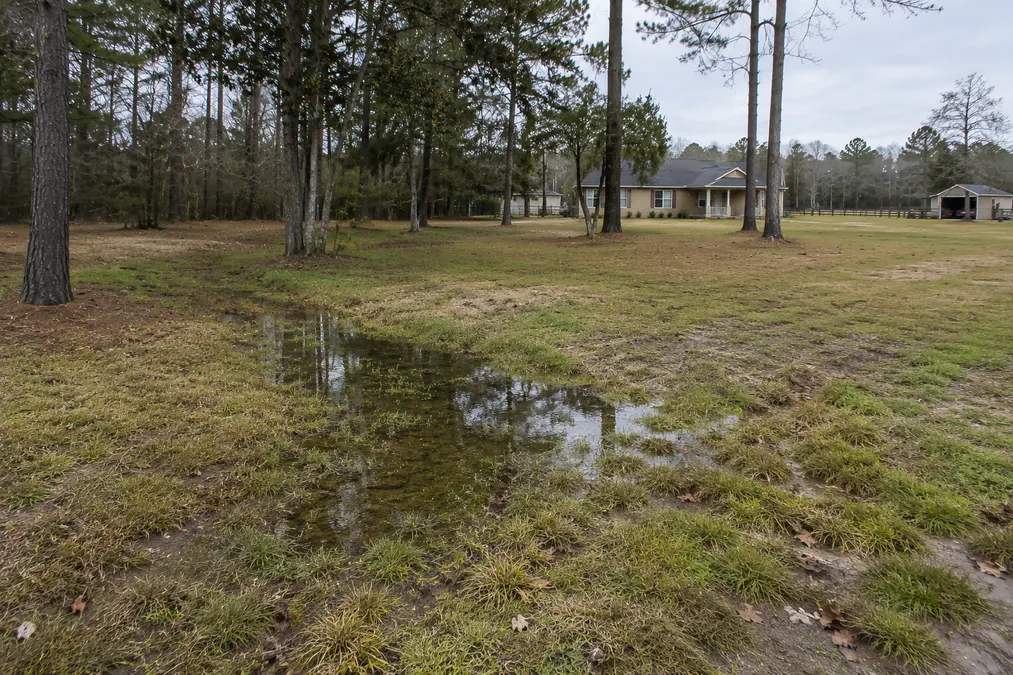
Rural land in North Florida can look appealing because of the space, trees, privacy, open ground, and quieter surroundings. However, water is one of the most important factors to evaluate before buying acreage or a rural homesite.
A parcel may look large on paper but have only a portion that is practical for everyday use. Low areas, seasonal wet spots, poor grading, and poorly drained soils can affect where a buyer can build, place a driveway, install a septic system, keep livestock, add fencing, or create usable outdoor space.
Why Flood and Drainage Conditions Matter
Quick Answer
Flood zones are important, but they do not tell the whole story. Rural property buyers in North Florida should also evaluate drainage patterns, standing water, low areas, access roads, soil conditions, septic suitability, and whether enough usable high ground exists for their intended plans.
Drainage should be reviewed alongside other rural due diligence issues such as buying property in North Florida, easements and legal access, and septic, well, and utility considerations.
Understanding FEMA Flood Zones
FEMA flood zones are one of the first items many buyers review when considering rural property. Flood-zone information helps identify areas with different levels of flood risk and may affect financing, insurance, building requirements, and long-term property planning.
If a property or structure is located in a higher-risk flood zone, flood insurance may be required by a lender. Buyers may also need additional information about elevation, building placement, local permitting, and whether the intended homesite is suitable.
Flood-zone maps are useful, but they should be treated as a starting point. Buyers should also review surveys, elevation data, county records in Washington, Holmes, Jackson, Calhoun, or Bay County, seller disclosures, local road conditions, and what is visible on the property itself.
Using FEMA Maps Before Making an Offer
Before making an offer on rural property, buyers should check the parcel on FEMA's Flood Map Service Center or a comparable mapping tool. Enter the address, assessor parcel number, or map coordinates to see whether the homesite, driveway, septic area, or existing structures fall inside a mapped flood zone.
Compare the mapped zone to what is visible on the ground. Look for creeks, ponds, low pasture, ditches, or areas that stay wet after rain. If the intended building area sits in a higher-risk zone, ask whether an elevation certificate exists and whether the structure or homesite could be documented at a higher elevation.
FEMA maps are helpful early in due diligence, but they should not replace a site visit, survey review, or conversations about local drainage conditions. Use them to narrow questions before inspection, financing, and final offer decisions.
How Flood Zones Affect Insurance Costs
For many rural buyers, flood insurance is not just a paperwork item. It can become a meaningful part of the monthly cost of owning property. When a home or financed structure sits in a higher-risk FEMA flood zone, lenders often require flood insurance before closing. Even cash buyers may still want coverage for long-term protection.
Premiums depend on several factors: the specific flood zone, elevation of the structure, construction type, foundation details, coverage limits, deductibles, and whether the property has a current elevation certificate. A rural home in a lower-risk zone may require little or no mandatory flood coverage, while a homesite in a higher-risk area could carry noticeably higher premiums.
Vacant land without a structure may not require flood insurance at purchase, but buyers planning to build should factor potential insurance costs into their budget early. Insurance requirements can also affect resale, since future buyers with financing may face the same rules. Before making an offer, ask for flood-zone documentation, request premium estimates when applicable, and understand how insurance fits into the total cost of owning rural property in North Florida.
Flood Zones Don't Tell the Whole Story
A property does not have to be in a major mapped flood zone to have drainage concerns. Some rural parcels hold water because of flat terrain, poor grading, compacted soils, blocked culverts, road runoff, or low areas that collect water after rain.
On the other hand, a parcel may include some flood-prone or wet acreage but still have a usable homesite on higher ground. The key question is not only whether the land is in a flood zone. The better question is whether the property has enough usable, accessible, well-drained land for the buyer's plans.
Buyers relocating to the region should be especially careful. Conditions can vary significantly between rural properties in Washington County, Holmes County, Jackson County, Calhoun County, and inland portions of Bay County. The North Florida Panhandle service area guide offers useful context for how those county differences can affect drainage review. A parcel may look completely different during a dry week than it does after heavy seasonal rain, even within the same road corridor.
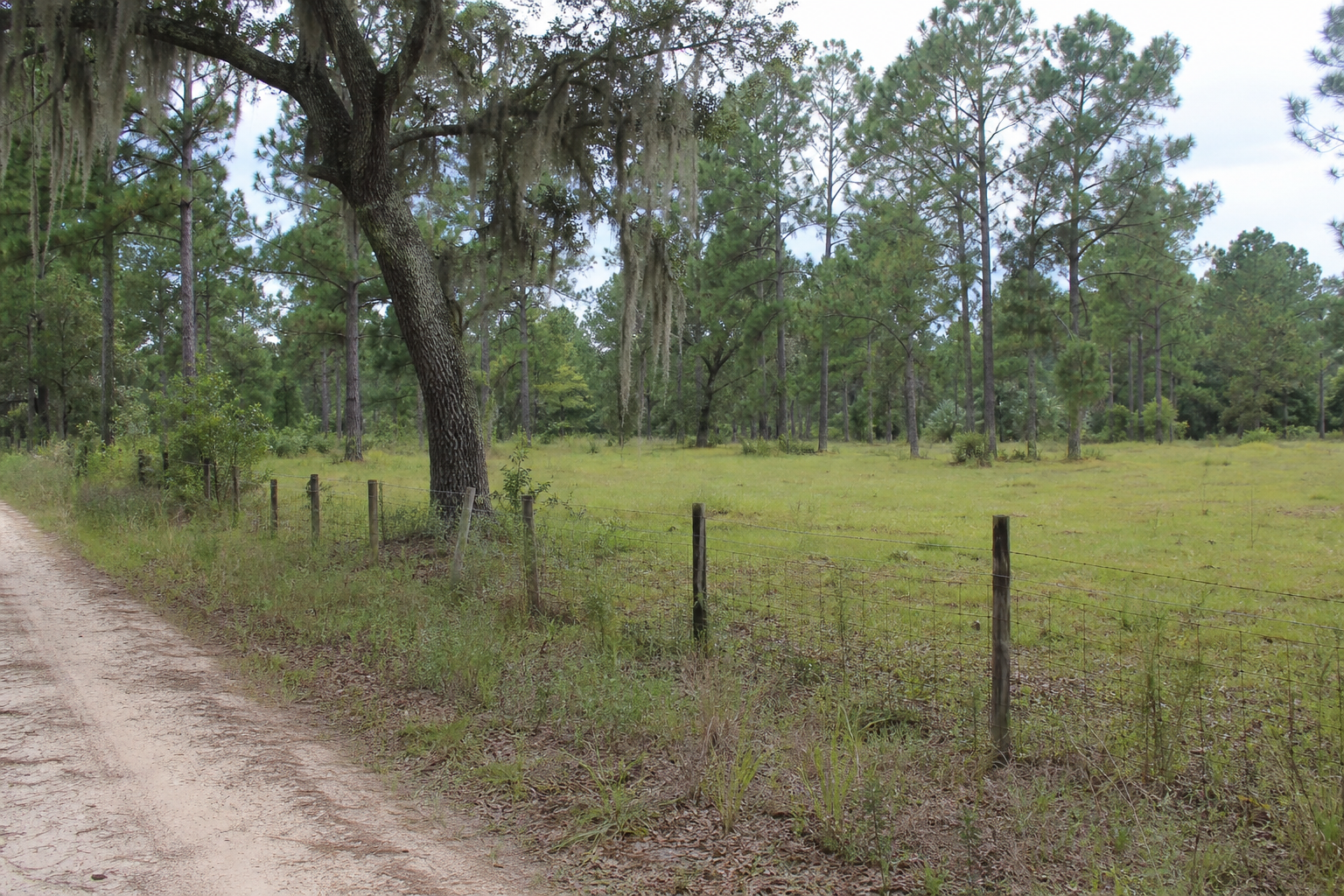
Common Drainage Problems on Rural Property
Drainage issues can show up in several ways. Some are obvious during a showing, while others may only appear after rain or during certain seasons.
Standing Water
Standing water may collect in low areas, tire ruts, old roadbeds, pastures, wooded sections, or near existing structures. Occasional shallow water after heavy rain may not make a property unusable, but repeated standing water near the intended homesite, driveway, or septic area deserves closer review.
Poor Grading
Poor grading can cause water to flow toward a home, manufactured home, barn, shed, or driveway instead of away from it. On rural property, grading problems may also appear around older homes, additions, outbuildings, and areas where fill dirt was added without proper drainage planning.
Seasonal Flooding
Some land may look dry during part of the year but become wet during rainy seasons. That pattern shows up on timber tracts, pasture, and creek-bottom acreage throughout Washington, Holmes, Jackson, and Calhoun County, as well as inland Bay County communities away from the coast. Buyers should ask whether portions of the property flood seasonally, whether nearby roads become difficult to access, and whether any low areas stay wet long after rainfall. Buyers comparing inland acreage to coastal property should also review Inland vs Coastal Living in the Florida Panhandle.
Swampy Areas
Swampy or wetland-like areas may provide privacy, wildlife habitat, and natural beauty, but they can also limit usable acreage. Buyers should understand whether these areas affect building plans, access, fencing, pasture use, or future improvements.
Drainage Ditches
Drainage ditches can be helpful, but they may also create maintenance concerns or limit where driveways, fencing, and improvements can be placed. Buyers should look for ditches along roads, property lines, easements, and access routes.
Related North Florida property guides
Flood zones and drainage connect to other rural due diligence topics. Start with the buying property in North Florida guide, then review easements and legal access, septic, well, and utilities, zoning and property restrictions, and common acreage buying mistakes.
How Drainage Can Affect Building Plans
Drainage conditions can affect where a buyer can place a home, driveway, septic system, well, barn, workshop, garden, pasture, or fencing. A property with several acres may still have limited practical building areas if much of the land is low, wet, heavily wooded, or difficult to access.
Septic planning is especially important. A homesite may need enough suitable soil, proper separation from wells and water features, and enough room for a drain field and repair area. Poor drainage can complicate this process and should be reviewed before closing.
Driveway placement also matters. A homesite may sit on good ground, but if the only practical access crosses a wet area, ditch, low spot, or flood-prone road, the buyer may face added costs or limitations — a concern that often overlaps with easement and access review.
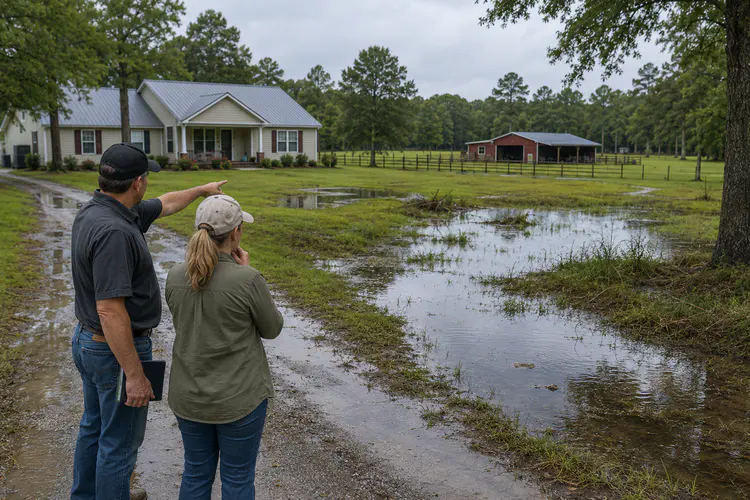
Questions Buyers Should Ask Before Closing
Before closing on rural property, buyers should ask specific questions about flood risk, drainage, access, and land usability. Road frontage, driveway flooding, and usable high ground are covered in more detail in the guide on road frontage and land usability in North Florida.
- Is any part of the property located in a FEMA flood zone?
- Is the intended homesite on higher ground?
- Does the property hold standing water after normal rainfall?
- Are there low spots, ditches, wetlands, ponds, creeks, or seasonal wet areas?
- Does the driveway or access road flood?
- Are culverts or drainage ditches present and functioning?
- Has the seller disclosed any flooding or drainage problems?
- Is the soil suitable for a septic system?
- Will building require fill dirt, grading, culverts, or additional site work?
- Are there drainage easements or restrictions affecting the property?
Buyers should also consider walking the property after rain, reviewing county records, speaking with local professionals, and consulting the appropriate permitting or inspection experts before making final decisions.
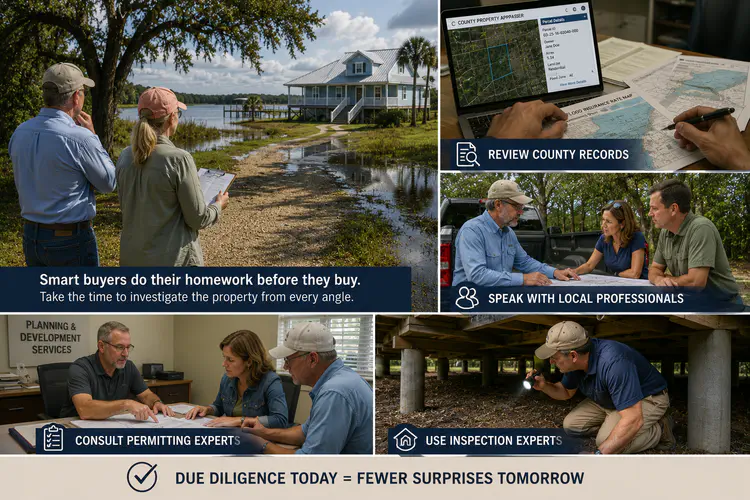
Final Thoughts for North Florida Property Buyers
Flood zones and drainage issues should not automatically scare buyers away from rural property. Many North Florida properties include a mix of higher ground, lower ground, wooded areas, pasture, and natural drainage features. The important step is understanding what parts of the property are usable and what limitations may exist.
A property with good access, a practical homesite, suitable septic area, and manageable drainage may still be a strong fit even if part of the acreage is low or wet. A larger parcel with poor drainage, limited access, or unclear building areas may require more caution.
For buyers considering acreage, rural homes, or land in Washington County, Holmes County, Jackson County, Calhoun County, or inland Bay County communities, drainage is part of the bigger due diligence picture. It should be reviewed alongside access, utilities, septic, zoning and property restrictions, road frontage, insurance, and long-term property goals.
Frequently Asked Questions
Can I build on property located in a flood zone?
Possibly, but it depends on the specific property, local requirements, elevation, lender rules, insurance needs, and the location of the intended homesite. Buyers should verify requirements before closing.
Does land have to be in a flood zone to have drainage problems?
No. Rural property can have drainage problems even if it is not located in a higher-risk FEMA flood zone. Low spots, poor grading, blocked culverts, and seasonal wet areas can still affect usability.
Can standing water affect a septic system?
Yes. Poor drainage and unsuitable soil conditions can affect septic placement and performance. Buyers should evaluate septic suitability before purchasing property they plan to build on.
Should I walk rural property after rainfall?
When possible, yes. Walking a property after rain can help reveal standing water, drainage patterns, wet access routes, and low areas that may not be obvious during dry conditions.
What matters more: total acreage or usable acreage?
Usable acreage often matters more than total acreage. A smaller property with good access, higher ground, and suitable building areas may be more practical than a larger parcel with significant drainage limitations.
This guide was last reviewed and updated in June 2026.
Thinking about buying rural property in North Florida?
Doug Hooper, REALTOR® with Century 21 AllPoints Realty, can help you think through flood zones, drainage, access, utilities, septic suitability, and overall land usability before you buy.
Search Properties Contact Doug