
Why Utilities Matter More in Rural Areas
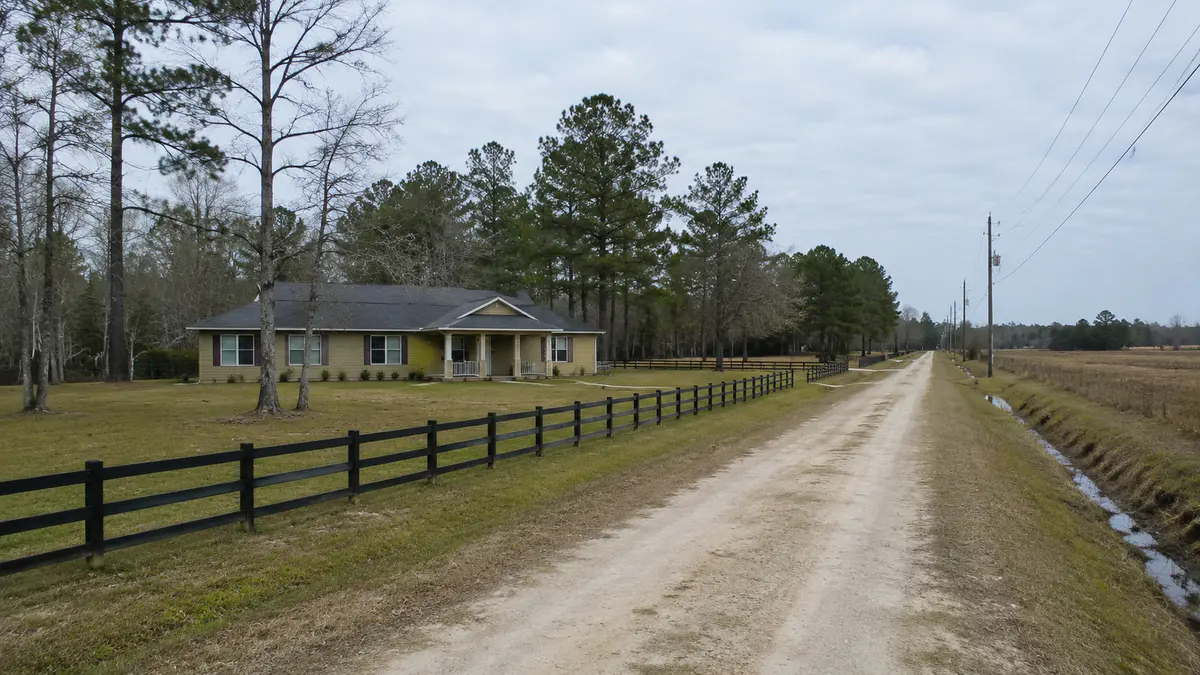
In town, buyers often assume public water, sewer, paved roads, electric service, and internet access are already in place. Rural property is different. A parcel may be beautiful, affordable, and peaceful, but still require additional review before a buyer knows what it will take to live on it, build on it, finance it, or improve it.
That difference is why utility due diligence should happen early — not after a buyer is already emotionally committed to a property.
Septic System Considerations
Many rural properties in North Florida rely on septic systems instead of public sewer. Buyers should understand whether a septic system already exists, where it is located, what condition it is in, and whether the drain field area appears suitable for continued use.
For vacant land, septic suitability can be a major due diligence item. A property may need soil testing, permitting, site evaluation, or additional review before a buyer knows whether a septic system can be installed where they want to build.
Questions to ask about septic
- Is there an existing septic system?
- Has the septic system been inspected recently?
- Where are the tank and drain field located?
- Are there records or permits available?
- Has a perc test or site evaluation been completed for vacant land?
Private Wells and Water Access
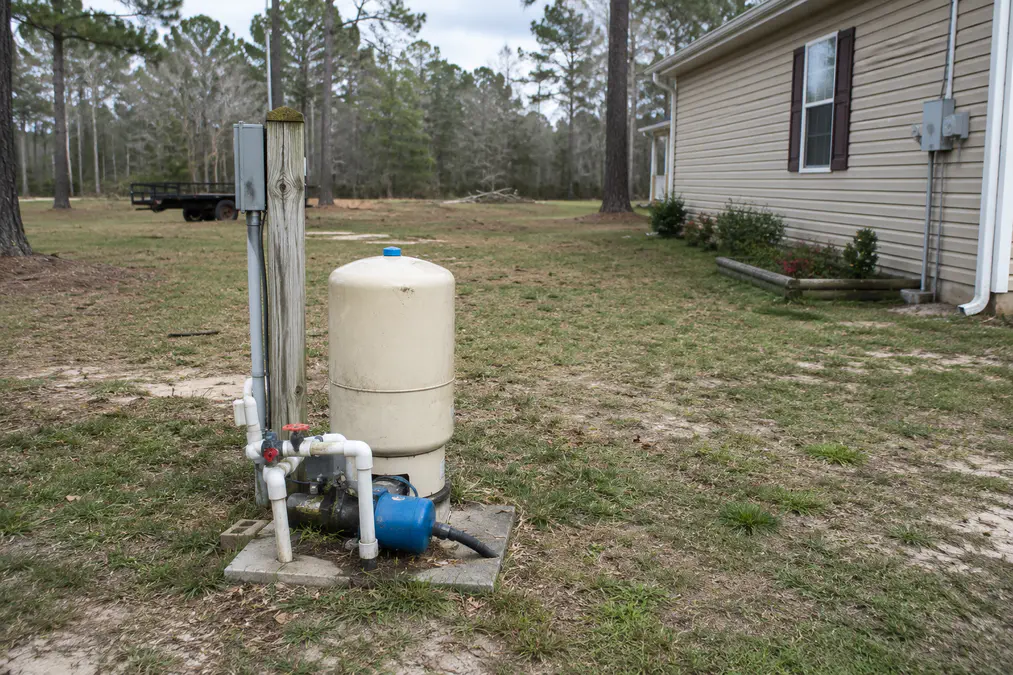
Rural homes and acreage properties may depend on private wells for water. That can work well, but buyers should not treat water access as an assumption. Well condition, water quality, pump age, depth, pressure, and location can all matter.
If a property does not already have a well, buyers should ask what it may take to install one and whether nearby properties have similar water access. For existing homes, a well inspection and water quality test may be worth discussing during the inspection period.
Electric Availability and Power Costs
Some rural properties already have power at the home, barn, well, or homesite. Others may have power nearby but not connected to the exact location where the buyer wants to build. That difference can matter.
Buyers should look for existing poles, meter bases, utility easements, and distance from the nearest service connection. Extending power across a larger parcel or down a private road may require additional cost, coordination, and time.
Internet and Connectivity Expectations
Internet service is one of the most overlooked rural property issues. A listing may mention internet availability, but buyers should verify service directly for the specific address. Rural options may include fiber in some areas, cable in limited locations, DSL, fixed wireless, cellular hotspots, or satellite-based service.
Buyers who work remotely, homeschool, run a business, stream heavily, or need reliable video calls should confirm realistic options before closing. In quieter inland communities, internet availability can change quickly from one road to another.
Road Frontage, Easements, and Access
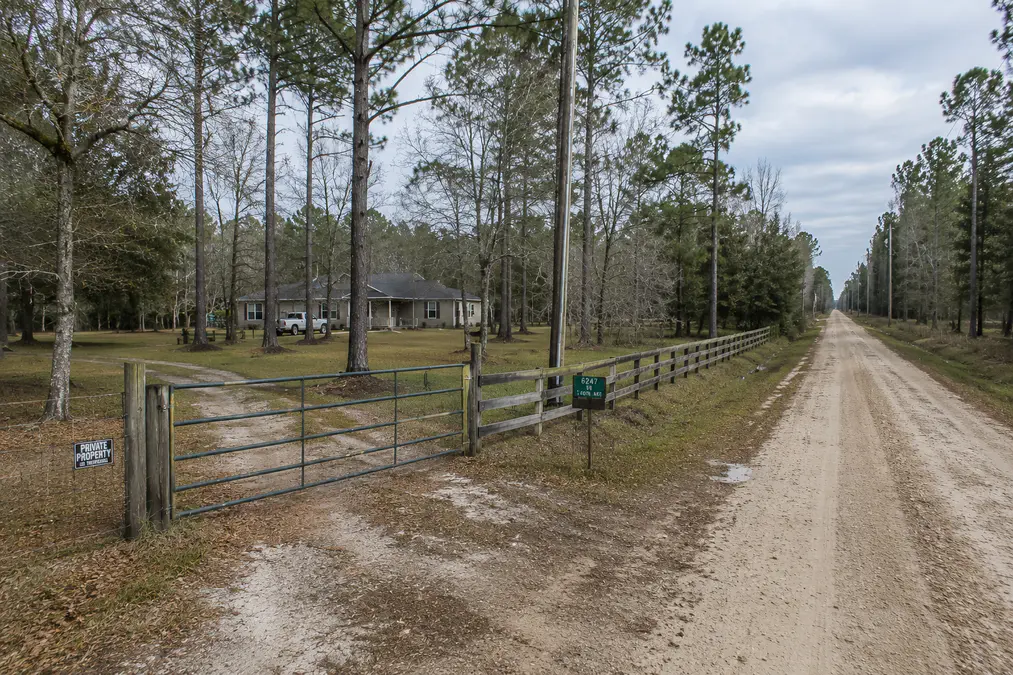
Access is not just about whether a driveway appears to exist. Buyers should understand whether the property has public road frontage, private road access, recorded easements, shared maintenance responsibilities, or any access limitations that could affect future use.
This is especially important for vacant land, larger acreage, family land divisions, and properties reached by dirt roads or private lanes. Legal access should be confirmed before a buyer relies on visual access alone. For frontage length, driveway placement, usable land, and day-to-day access practicality, see the guide on road frontage and land usability in North Florida.
Drainage and Land Conditions
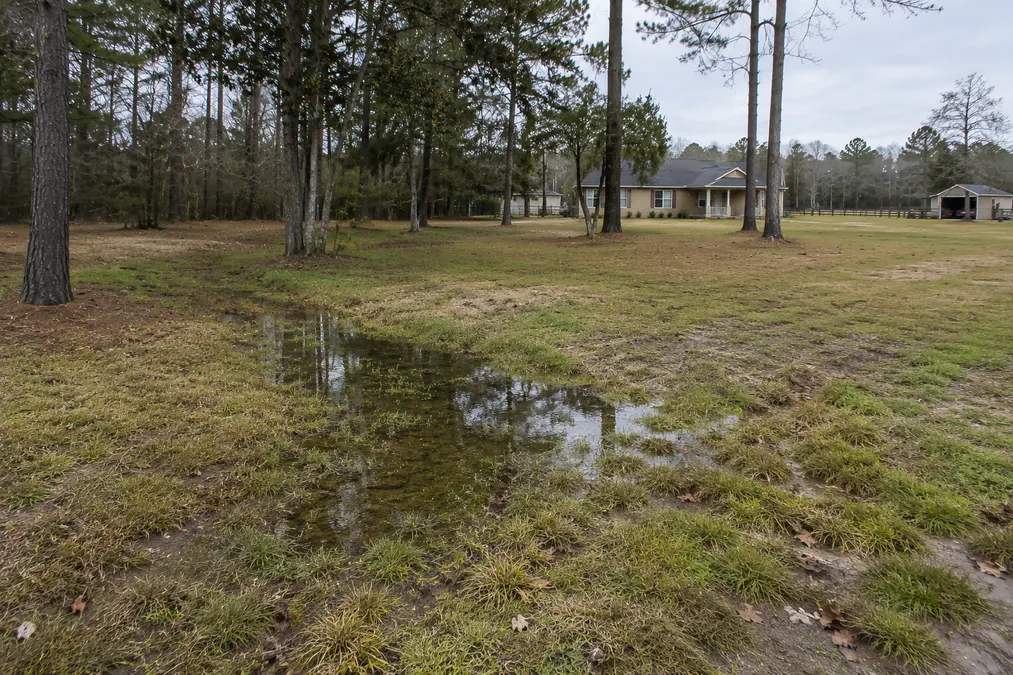
Rural land can look simple at first glance, but drainage matters. Low areas, seasonal wet spots, ditches, flood zones, wetlands, soil conditions, and road elevation can affect where a home, driveway, septic system, barn, or outbuilding may reasonably go.
Buyers should walk the property when possible, review maps, ask about past flooding or standing water, and pay attention to how neighboring properties drain. A parcel does not need to be perfect, but buyers should understand the practical conditions before moving forward.
Questions buyers should ask before closing
- Is septic already installed, permitted, and functional?
- Has the property passed any septic or soil evaluation?
- Is there an existing private well?
- Has the water quality been tested?
- Is electric service already on-site?
- How far is the nearest utility connection?
- Which internet providers actually service this address?
- Is there legal access by public road or recorded easement?
- Who maintains the road?
- Are there drainage, wetland, or flood zone concerns?
- Are there restrictions, covenants, or land-use limitations?
How This Fits Into Buying Property in North Florida
Septic, wells, and utilities are part of the bigger rural property picture. Buyers also need to consider zoning and property restrictions, flood zones, access, financing, insurance, surveys, future improvements, and whether the property fits their intended use.
For a broader starting point, read What to Know Before Buying Property in North Florida. This article builds on that foundation by focusing on the infrastructure details that can affect everyday use and long-term plans.
Need help evaluating rural property?
If you are looking at land, acreage, or a rural home in the North Florida Panhandle, it helps to ask the right questions early. Doug Hooper can help you think through practical property considerations before you get too far into the process.
Contact Doug