Outside the towns, Jackson County living means a private well and a septic system. The Floridan aquifer under this county is generous — it is the same water that pours out of Jackson Blue Spring — so the question is rarely whether you can get water. It is what depth, what cost, and whether the soils will pass for septic.
Wells: What Cost Depends On
- Depth to reliable water, which varies across the county with the limestone.
- Casing requirements through sand and clay layers above the rock.
- Distance and power — a well needs electricity, so a remote homesite pays for the power run too.
- Local drillers know the neighborhoods; nearby recent wells are the best predictor of what yours will cost.
Septic: What Approval Depends On
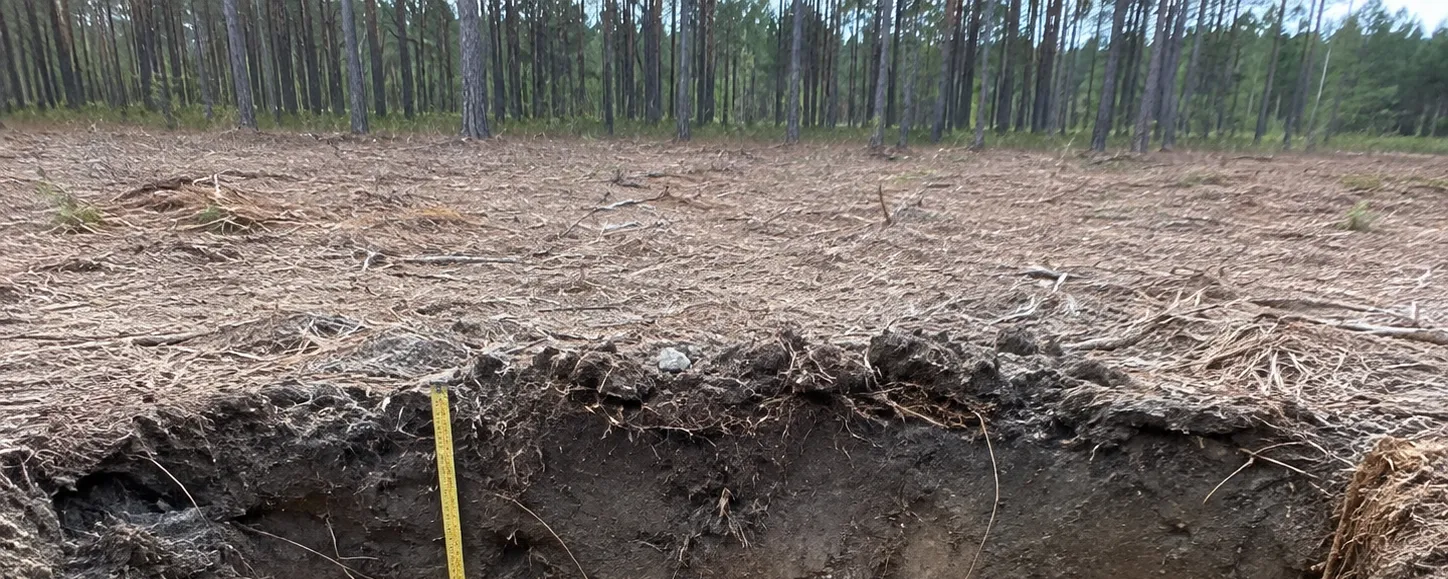
- Soil type. Sandy ground is not automatically the easy ground here, which catches people out. NRCS rates soils for septic drainfields, and by that measure close to half of Jackson County falls in the most limited class — including two of the county's most extensive sandy soils: one carries a seasonal water table that rises into the drainfield, and the other drains so fast it does not filter properly. The red clay ground most people expect to be trouble rates better than either, held back only by how slowly water moves through it. Those ratings describe soil types rather than individual lots, so a site evaluation is still what settles your parcel — but a mounded system is a real possibility here, and worth pricing before you commit.
- Setbacks. Required separation from wells, wetlands, surface water, and property lines — on a small parcel, setbacks can shrink the buildable envelope fast.
- The site evaluation. Soil borings and a percolation assessment on the actual site. Modest cost, definitive answer.
As of January 2025, septic permitting in Jackson County moved from the county health department to the Florida Department of Environmental Protection's Onsite Sewage Program — part of a statewide phase-in. If you were told to call the health department, that guidance is out of date; DEP now handles permitting and inspection.
The Karst Wrinkle
Because this county's groundwater moves through limestone conduits and feeds public springs, siting a septic system responsibly matters more here than in most places. It is the same water twice: what you drink from the well and what flows at Merritt's Mill Pond. Good siting protects both — and keeps you clear of regulatory trouble.
Back to the guide: All five checks › · Or see how these questions play out town by town across the county ›